Sustainability claims are everywhere recycled materials, carbon neutral, biodegradable, eco-friendly. But here’s the catch: how many of them are true? With no consistent way to verify product-level environmental impact, greenwashing has become the industry’s favorite loophole.
Brands know sustainability sells. But without hard data and transparent tracking, what we often get is marketing spin dressed up as climate action.
This isn’t just about misleading consumers. It’s about stalling real progress.
Why now?
Green Claims are booming
From fashion to electronics to FMCG, green messaging is exploding. But behind the labels, most companies can’t back up their claims with traceable data or lifecycle proof.
Regulators are stepping in
Governments, especially in Europe, are beginning to crack down. New policies demand verified product information not vague promises. Labels like eco-friendly or natural won’t be enough without supporting evidence.
Consumers want proof
People want to buy better. But trust is eroding fast. Vague sustainability statements without transparent sourcing or environmental impact data are no longer convincing.
The risk
Beyond reputational damage, greenwashing carries legal and financial risks. Companies that mislead could face fines, lawsuits, or product bans under compliance frameworks.
What’s changing
Product-Level accountability
Sustainability must move beyond brand-level storytelling. Real change means tracing the environmental footprint of every product from raw materials to end-of-life.
Launch: Digital Product Passports (DPPs)
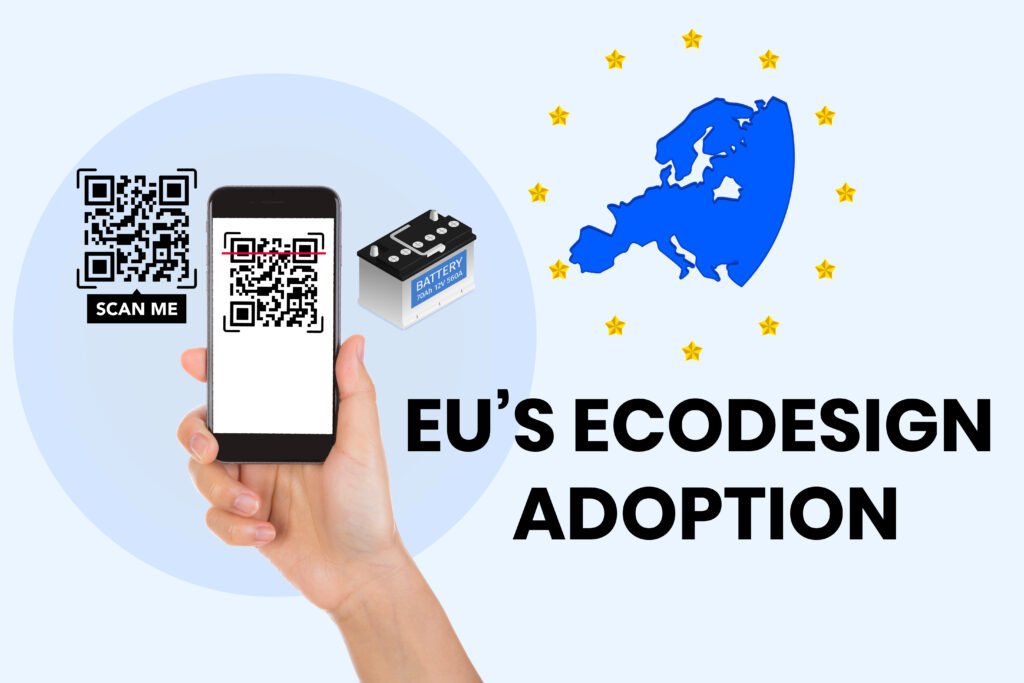
Digital records that show what a product is made of, how it was sourced, and its impact over time are being rolled out across industries. Think of it as a verified sustainability resume for every product.
Traceability
Blockchain, IoT, and AI are making it possible to track materials across complex supply chains. No more blind spots. Every product, every stage, every source accounted for.
From claims to compliance
New regulations will demand real evidence. Standards like the Ecodesign Directive, Green Claims Directive, and Corporate Sustainability Reporting Directive (CSRD) are raising the bar for truth in sustainability.
Tech that matters
Blockchain for verification
Immutable records mean companies can’t fake it. Blockchain tech ensures that sustainability data can be audited, verified, and trusted across partners and regulators.
Material traceability platforms
These tools provide a full view of a product’s lifecycle from raw material origin to emissions, waste, and recycling potential.
Automated auditing
AI and machine learning are making real-time sustainability audits possible, flagging inconsistencies and tracking performance against environmental targets.
Why it matters
Greenwashing is blocking progress
Every false claim distorts the market, misleads consumers, and sidelines companies doing the hard work of actual sustainability.
Real accountability means
- Verifying environmental claims with traceable data
- Making supply chains transparent and measurable
- Pushing the industry toward actual decarbonization, not better branding
And it opens the door to trust between consumers, brands, investors, and regulators.
A global signal
The message is clear: you can’t fake sustainability anymore.
If your product can’t prove its environmental footprint, it won’t pass future compliance checks. Greenwashing is becoming a liability ethically, legally, and economically.
Every product will need a digital identity, a clear trail of its lifecycle, and hard proof of its impact. It’s a new standard.
Because sustainability without transparency? That’s just marketing.