Waste isn’t just trash anymore. It’s a global redesign problem.
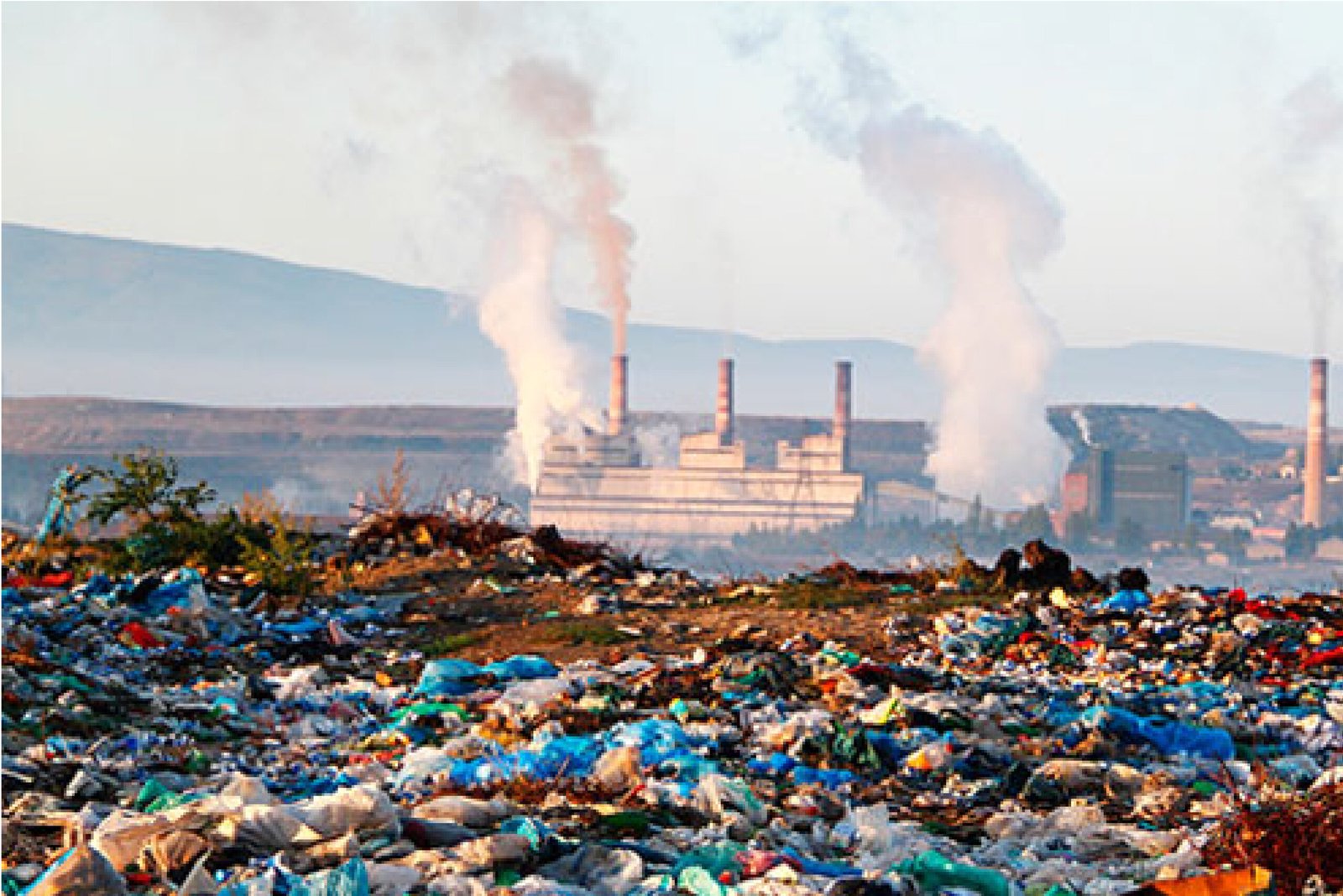
We’re producing more waste than ever, around 2.3 billion tonnes a year and less than 60% of it is properly managed. By 2050, we’re looking at a near 70% surge in global waste if nothing changes.
This isn’t just a waste issue. It’s a system failure. From how we produce to how we consume, the whole chain needs a reset.
Why now?
Exploding Waste Volumes
Urbanization, rising incomes, and throwaway cultures have driven waste generation to dangerous highs, especially in low- and middle-income countries where infrastructure can’t keep up.
Missed Resources
We’re burning or dumping materials worth billions- plastics, metals, organics, that could’ve been reused or recycled.
The result? Resource loss, environmental damage, and wasted opportunity.
Climate Crisis Link
Waste management isn’t just a cleanliness issue, it’s a climate one. Landfills and open burning are major sources of methane, a greenhouse gas 80 times more potent than CO₂ in the short term.
Health Emergency
Open dumping and burning don’t just pollute the air, they poison people. From respiratory illness to contaminated water, poor waste management hits the most vulnerable hardest.
What’s changing
Financing the Fix
We should double the investments in waste infrastructure, especially in cities.
Digital Waste Tracking
Expect a big push for digital systems that monitor waste from creation to disposal. Think of it as a passport for waste, ensuring transparency and accountability across the chain.
Circular Economy Integration
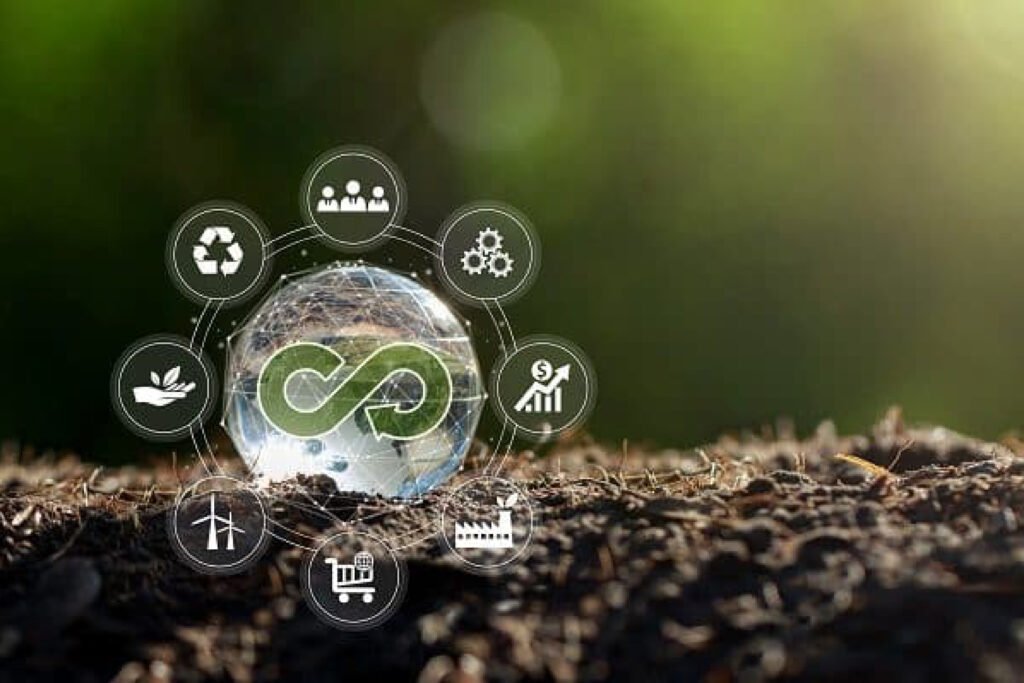
The circular economy makes it clear: we can’t recycle our way out of the problem. We need to redesign products, rethink business models, and reduce consumption from the start.
Focus on Equity
Informal waste workers who manage up to 60% of waste in many cities, need legal recognition, better pay, and social protection. Without them, the system breaks.
Tech That Matters
From AI-driven waste sorting to blockchain for tracking materials, the future of waste is smarter. But tech isn’t the silver bullet. Policy, infrastructure, and behavior need to change too.
Why it matters
Waste is rising. Our systems can’t cope. And the people who suffer most are the ones least responsible.
But there’s a way forward. A global shift toward zero waste cities, circular products, and data-backed policies isn’t just possible, it’s necessary.
If we get this right, we cut emissions, create green jobs, and protect human health.