
Digital
Product Passport
EU DPP Regulations
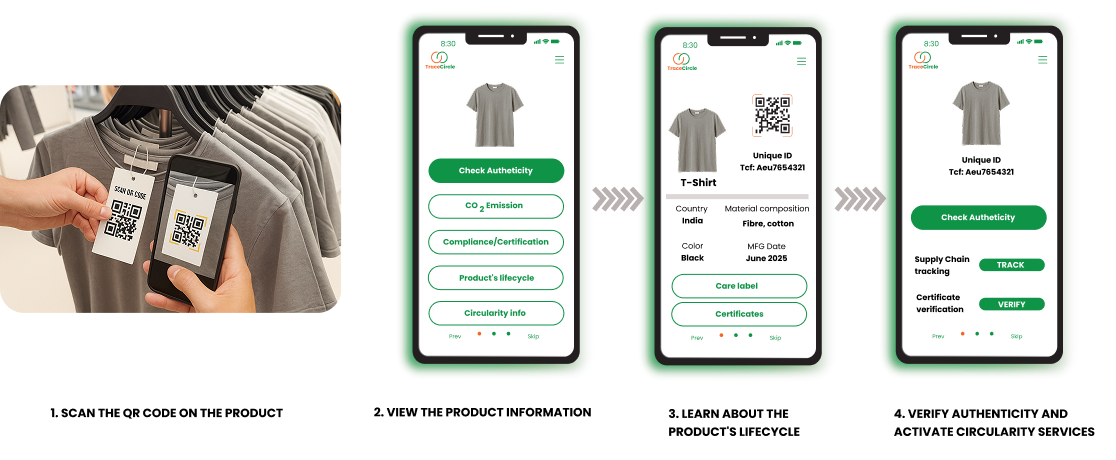
The EU Digital Product Passport (DPP) is an initiative by the European Commission to create a standardized digital identification for products. This information will be accessible through a unique identifier like a QR code, and will be crucial for various stakeholders like consumers, businesses, and authorities.
Circular Economy
Encourages reuse, repair, and recycling by tracking materials across the product lifecycle.
Sustainability
Promotes resource efficiency and reduces environmental impact through verified data.
Transparent product data
Provides accessible, accurate, and standardized information for all stakeholders.
Traceability
Enables end-to-end visibility of materials and processes from origin to end-of-life.
Compliance
Ensures alignment with evolving EU regulations like ESPR, CSRD, and DPP mandates.
Consumer Empowerment
Helps buyers make conscious, data-driven decisions about what they purchase.
How does DPP work?
- The DPP collects and stores detailed product information like materials, origin, and repairability, in a standardized digital format.
- This data is linked to a unique identifier, such as a QR code, embedded on the product or packaging.
- Authorized stakeholders, from manufacturers to recyclers, can update or access the data across the product's lifecycle.
- It ensures transparency, improves circularity, and supports compliance with EUs ESPR regulations.
Core Objectives of DPP
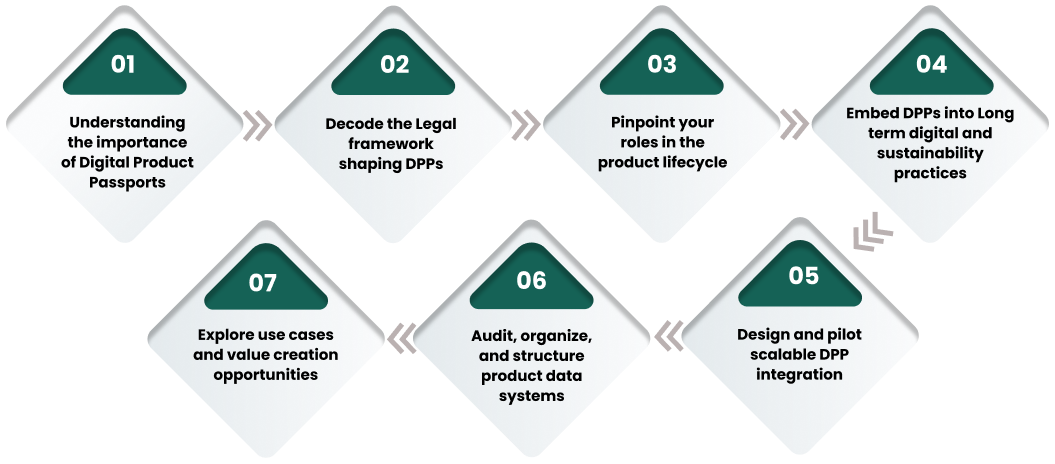
Step towards DPP and Circular Economy
Timeline for product passports
Benefits of using a Digital Product Passport
For Brands
- Stay compliant with regulations
- Prevent fake or copied products
- Build a stronger brand image
For Consumers
- See real, verified product info
- Get details for repair or resale
- Make confident, informed choices
For the Planet
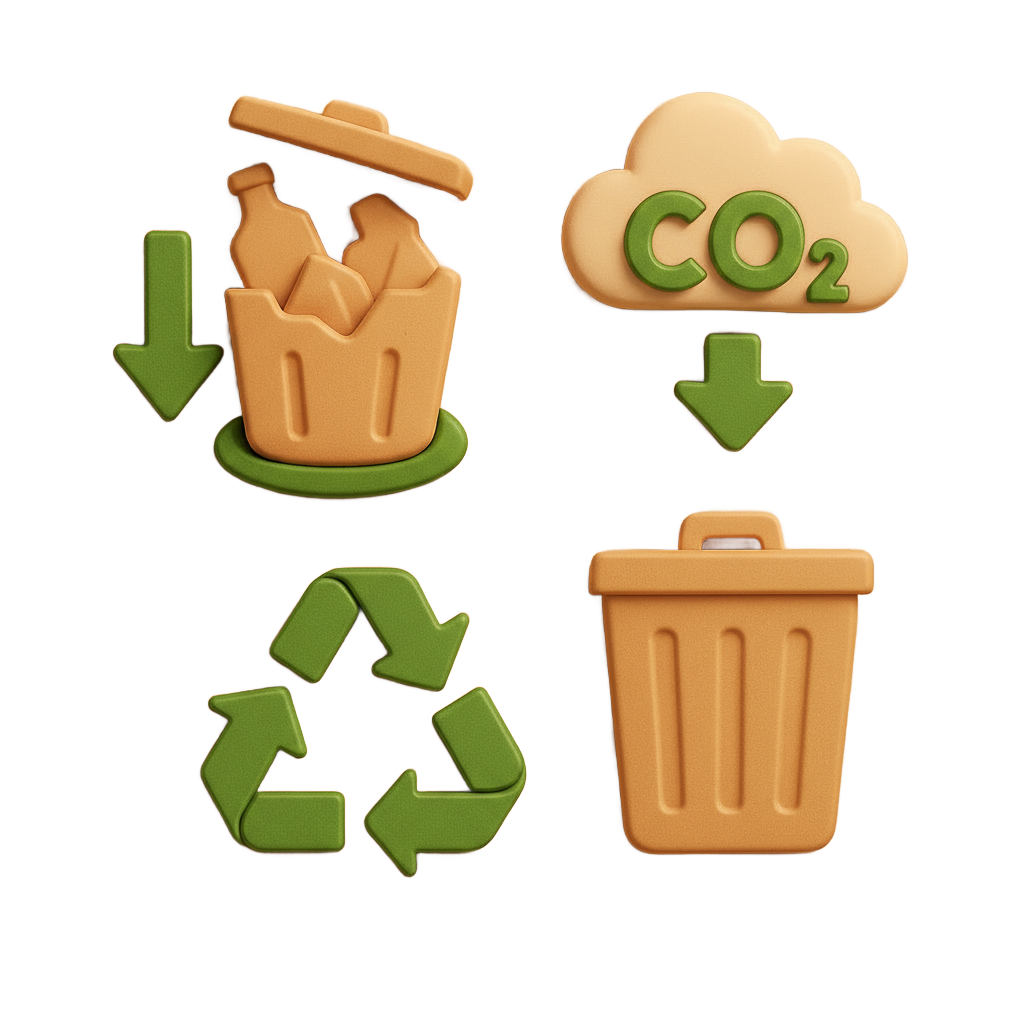
- Less waste in landfills
- Fewer emissions during product life
- Supports recycling and reuse