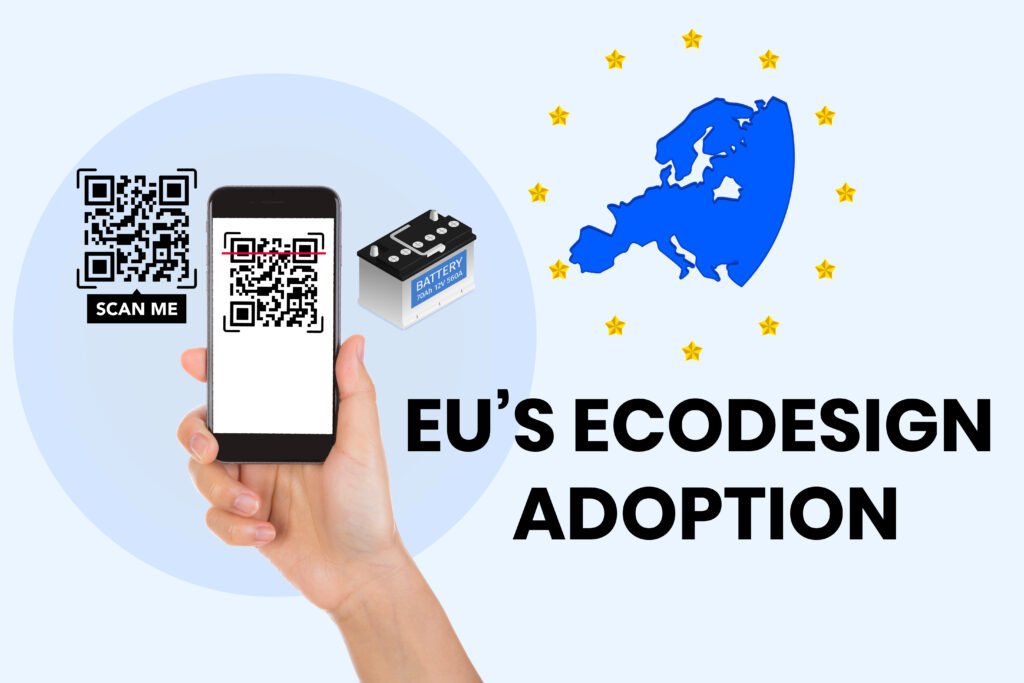
Battery transparency in Europe has officially moved from policy discussion to enforcement reality.
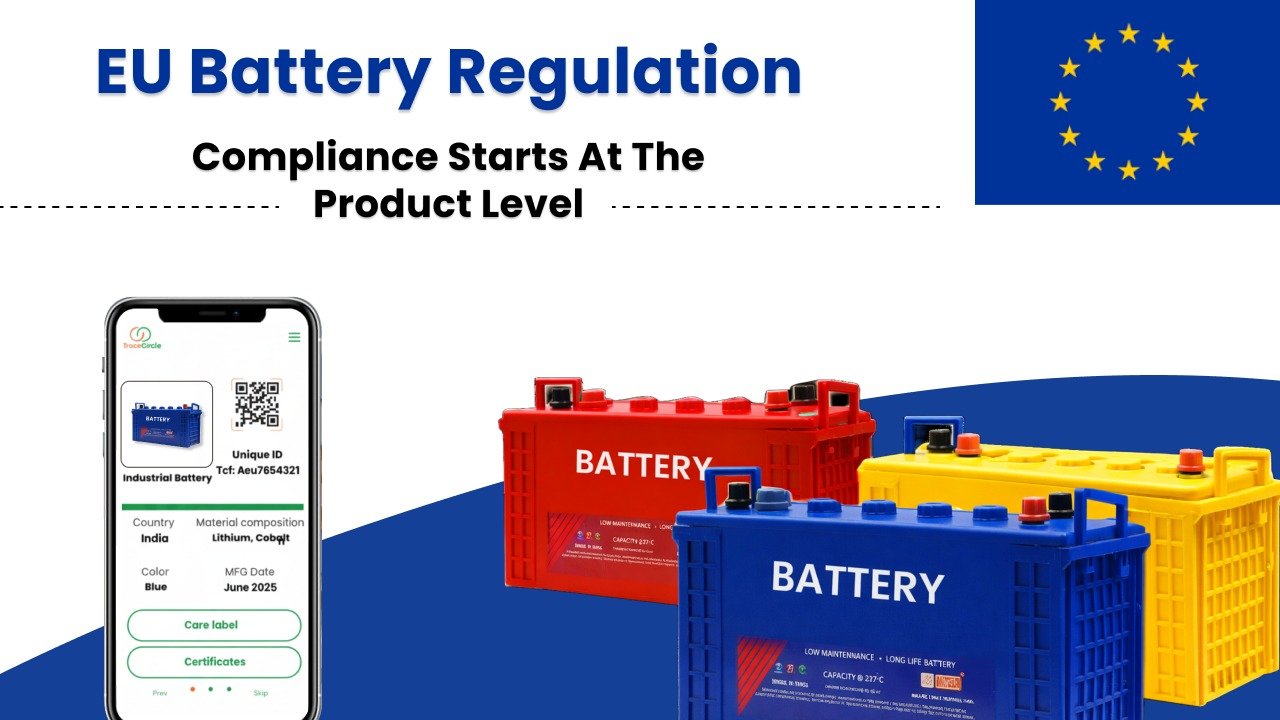
Under the EU Battery Regulation (EU 2023/1542), batteries placed on the European market will be required to carry a digital Battery Passport containing verified, lifecycle-level data.
It is a market access requirement.
Why this matters now
Battery manufacturing is one of the fastest-growing sources of industrial emissions worldwide.
Global lithium-ion battery production already contributes between 50 and 100 million metric tonnes of CO₂ emissions every year, driven largely by energy-intensive mining, refining and cell manufacturing processes.
Life-cycle assessments show that producing a lithium-ion battery generates an average of 15 to 20 kg of CO₂-equivalent emissions per kilogram of battery, even before the battery is used or recycled.
At the same time, material pressure is intensifying.
The European Union currently depends on imports for nearly 100 percent of critical battery materials such as lithium, cobalt and rare earth elements, while recycling rates remain limited for most of these metals.
EU Battery Passport must have a digital identity that includes
- Battery chemistry and material composition
- Origin and sourcing of critical raw materials
- Manufacturing location and process information
- Verified carbon footprint data
- Performance, durability and lifecycle metrics
- Repair, reuse, repurposing and end-of-life guidance
- Secure digital access through a QR code or equivalent
Companies that delay preparation face serious consequences. Non-compliant batteries risk losing access to the EU market altogether.
Late compliance leads to higher implementation costs and rushed data remediation. Brands also face increased scrutiny around greenwashing, carbon claims and supplier transparency.
Battery compliance has become a business continuity issue, not a reporting exercise.
Battery Passports will affect every company placing batteries on the European market.
The real question
Is your battery supply chain truly EU-ready or are you still unsure about the data behind your batteires?