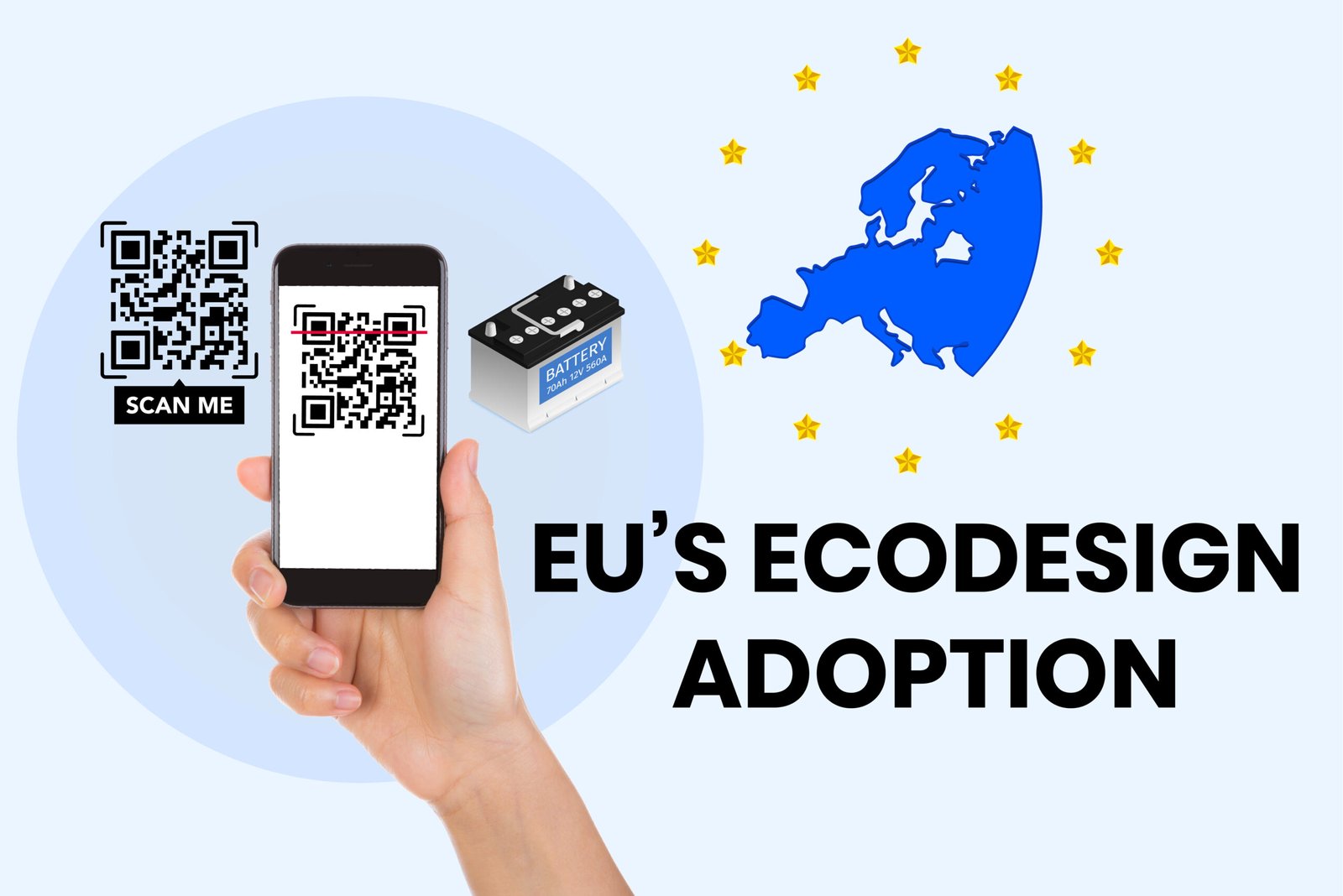
In a bold move to push Europe toward cleaner, more sustainable industry practices, the European Commission has officially rolled out Digital Product Passport under Ecodesign for Sustainable Products Working Plan for 2025-2030.
A Digital Product Passport is a digital record that stores detailed information about a product’s materials, origin, manufacturing process, environmental impact, and end-of-life handling.
The aim? To reinvent the DNA of supply chains through stricter sustainability rules, digital product passports, and mandatory eco-performance benchmarks.
Why now?
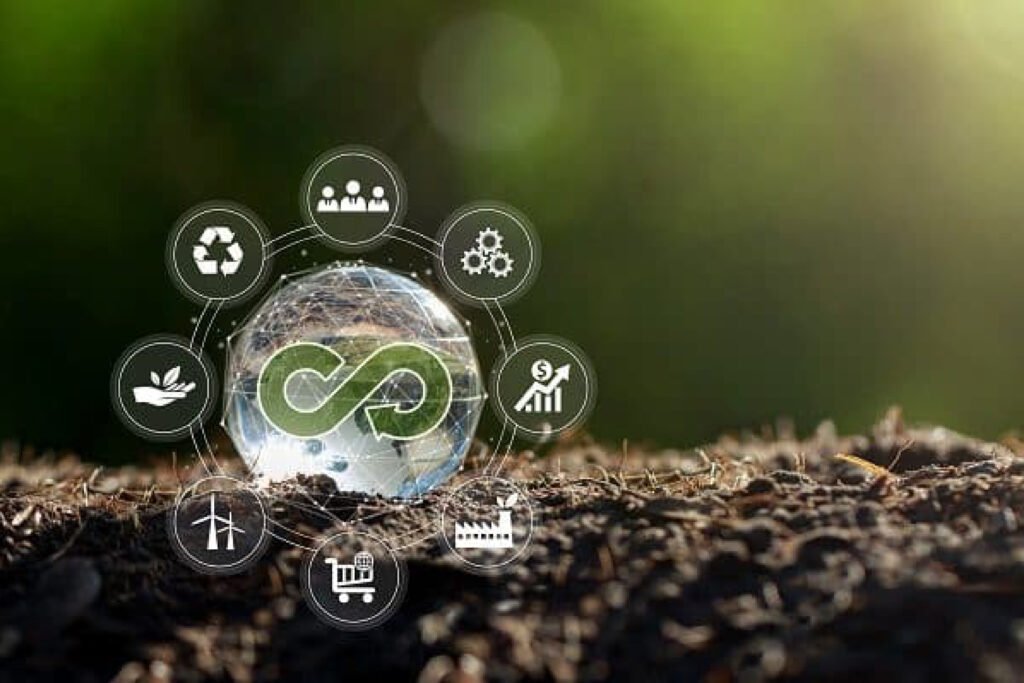
Circular Economy
Encourages reuse, repair, and recycling by tracking materials across the product lifecycle.
Eco-Design
Products will have to meet circular performance benchmarks from durability and repairability to recyclability and reused content.
Sustainability
Promotes resource efficiency and reduces environmental impact through verified data.
Transparent Product Data
Provides accessible, accurate, and standardized information for all stakeholders.
Traceability
Enables end-to-end visibility of materials and processes from origin to end-of-life.
Compliance
Ensures alignment with evolving EU regulations like ESPR, CSRD, and DPP mandates.
Consumer Empowerment
Helps buyers make conscious, data-driven decisions about what they purchase.
Here’s what’s changing
Steel & Aluminium
Europe’s metal giants are going green. New rules aim to reduce emissions, boost recycling, and drive innovation. Think: cleaner factories, fewer imports, and more circular materials.
Textiles
Fast fashion’s on notice. By 2027, clothing makers will need to prove their products last longer, waste less, and leave a smaller footprint. Labels and transparency are key.
Furniture & Mattresses
From your couch to your bed designs will soon need to last longer and generate less waste. Landfill? Not the endgame anymore.
Tyres
Even your wheels are getting greener. Expect better recyclability and tighter rules on disposal.
The tech behind It
Every product will carry a Digital Product Passport showing what it’s made of, how it’s made, and how it can be reused, repaired, or recycled.
Why it matters
This isn’t just about better products. It’s about shaping global supply chains, cutting climate impact, and giving consumers real info not just green buzzwords.
The message is simple: If you want to sell in Europe, sustainability isn’t a feature. It’s the standard.
A whole new mindset
This isn’t just about sector-specific rules.
Two horizontal requirements are being introduced: one for repairability scoring, another for recycled content in electronics. Combined with the Digital Product Passport, mandatory for all regulated goods, every product will carry an accessible data trail of what it’s made of, how long it lasts, and how it can be repaired or recycled.
A global signal
Europe’s message is clear: sustainability is now regulation. And as the world’s largest market, the EU’s rules will shape production globally. Whether you manufacture steel in Sweden or ship textiles from Vietnam, if you sell to Europe, this is your new playbook.
Stay tuned. Because by 2030, this isn’t just a working plan. It’s a new normal.