India’s Next EV Milestone: Building a Domestic Battery Minerals Ecosystem
India’s electric vehicle ambitions are entering a new phase.
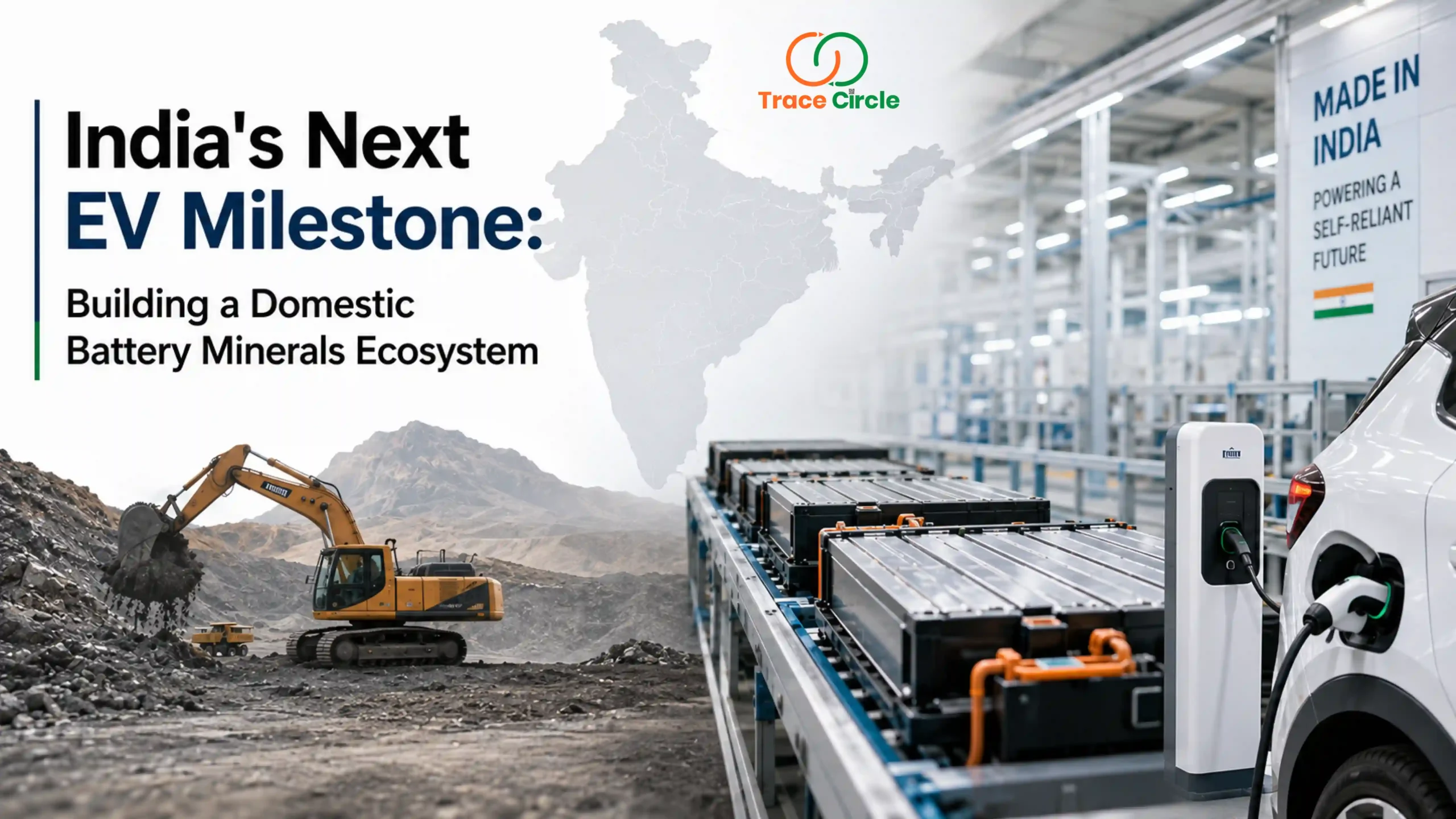
While much of the conversation has focused on battery manufacturing and EV production, the country’s latest policy direction signals a broader and more strategic objective building a domestic ecosystem for processing and recycling critical battery minerals.
To strengthen this segment, the Government of India is preparing to launch a ₹1,500 crore incentive scheme to support the domestic processing of critical minerals such as lithium, cobalt, nickel, graphite and rare earth elements.
The initiative aims to encourage private investment in refining and processing facilities that can convert raw minerals into battery-grade materials required by India’s rapidly expanding EV and energy storage industries.
The proposed programme is expected to support 10 to 15 mineral processing projects, creating the infrastructure needed to bridge a longstanding gap in India’s battery supply chain.
Alongside the processing initiative, the government has also shortlisted 58 battery recyclers under the scheme.
Global demand for lithium-ion batteries is rising rapidly as countries accelerate the adoption of electric mobility and renewable energy storage systems.
The programme also complements the country’s broader National Critical Minerals Mission, which seeks to strengthen every stage of the critical minerals value chain from exploration and mining to processing, recycling and advanced manufacturing.
Together, these initiatives aim to create an integrated ecosystem capable of supporting India’s clean energy and industrial ambitions.
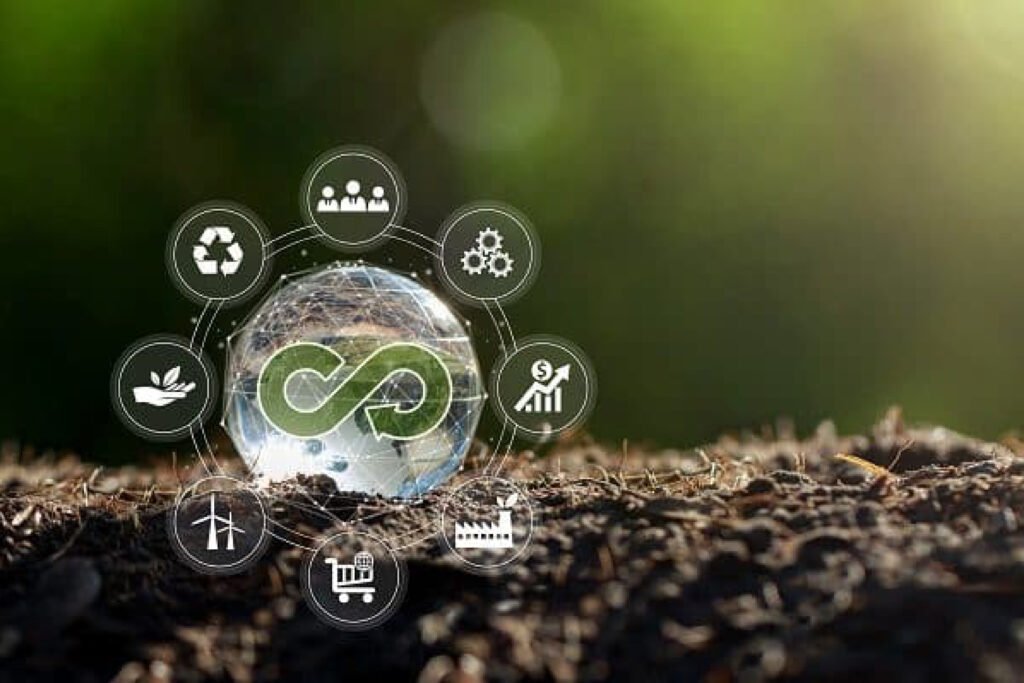
India’s latest policy initiatives reflect this evolving understanding. By investing in mineral processing, recycling and circular resource management, the country is laying the foundation for a more resilient, sustainable and self-reliant battery ecosystem.
If successfully implemented, the new processing scheme could mark a pivotal milestone in India’s clean energy transition.
Rather than remaining dependent on imported battery materials, India is positioning itself to build a complete battery value chain one that supports domestic manufacturing, strengthens supply chain resilience, advances circular economy principles and enhances the country’s role in the global energy transition.