Manufacturing accountability is about control. If you know exactly what’s happening at every step, you can improve quality, reduce risk, and stand behind your products confidently.
And the foundation? Transparent data.
.A 2025 consumer study showed buyers crave detailed insights- about materials used, circularity, repairs.
Why data transparency is mission-critical
- Stakeholder trust: A 2024 Deloitte survey found that 74% of leaders say transparency builds trust among workers, customers and investors. In manufacturing where complex supply chains and ESG scrutiny collide, mistrust grows fast when data is hidden.
- From manual to digital: According to a 2024 NAM survey, 70% of manufacturers still record data by hand, even though 44 % say data volume doubled in two years. Manual entry means delays, errors, and zero real-time visibility undermining accountability.
- Regulatory headwinds: The European Union is rolling out new rules like the Ecodesign for Sustainable Products Regulation that mandate Digital Product Passports (DPPs). By 2027 iron and steel, batteries, and textiles must comply and by 2030, all products sold in the EU will need one.
- Market signals: Grand View Research reports the Digital Product Passport market hit USD 1230.9 million in 2030. Companies see this not as a compliance cost but as a value lever.
Meet new standard Digital Product Passports (DPPs)
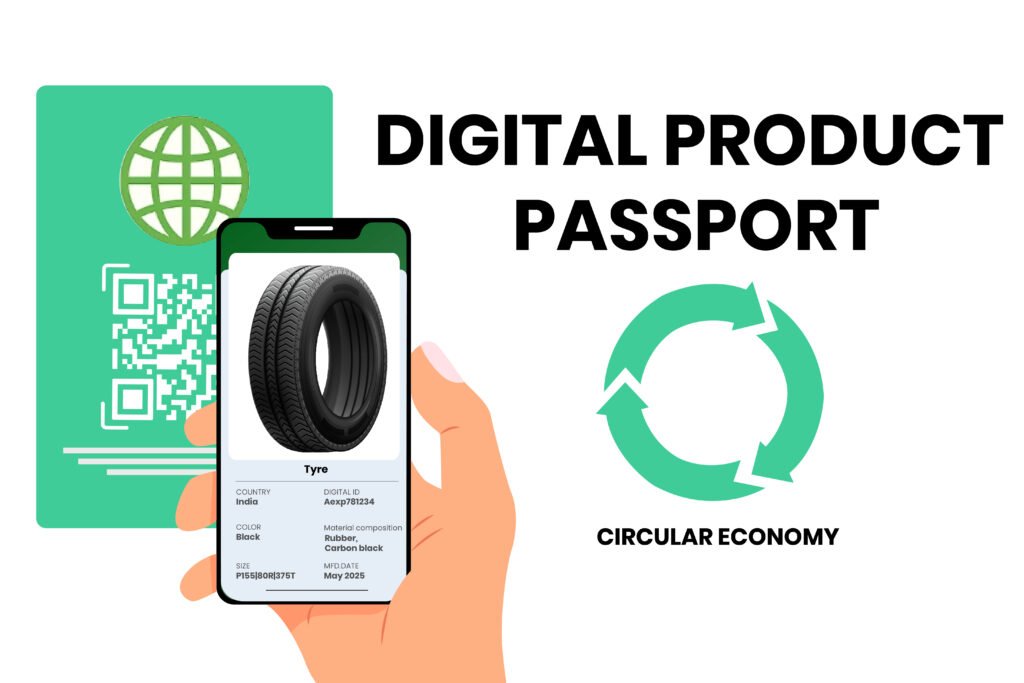
DPPs tie each product to a digital record, via QR code, RFID, NFC that follows it from raw material to recycling.
The EU is leading the charge
- Since March 2024, DPPs in priority sectors are already in motion, full rollout by 2026.
- By 2030 nearly every product sold in the EU must have a DPP.
What manufacturing actually gains
- Traceability – See exactly where materials come from, which suppliers use sustainable practices.
- Efficiency – One shared data backbone cuts out redundant reporting, auditing.
- Risk control – Spot quality hiccups early; recall or defect containment becomes surgical.
- Circular revenue – Brands like Nobody’s Child report loyalty and resale link ups after DPP rollout, boosting customer trust and opening new service models.
How manufacturers can implement Transparent systems
Step 1: Audit your data landscape
Map out where product info lives, PLM, ERP, QA systems and where it’s missing.
Step 2: Onboard suppliers gradually
Tier‑1 may have basic data, but Tier‑4/5 (raw materials, production) often don’t. Set realistic milestones that progressed in phases.
Step 3: Choose scalable tech
Explore DPP platforms or third-party providers. Consider blockchain, DID, verifiable credentials architecture
Step 4: Attach physical+digital IDs.
Add QR codes or NFC tags tied to cloud-hosted DPPs.
Step 5: Define workflows for updating data.
When a product is repaired, resold, or recycled, the record must update. That means workflow coordination across operations, quality, and after-sales.
Step 6: Incentivize stakeholders.
Offer suppliers data insights; offer customers care tips, loyalty perks via scanning QR codes.
Benefits
- You cut compliance costs.
- You build trust and loyalty with end users and regulatory bodies.
- You open paths to circular business: resale, repair, recycling.
- You get operational clarity and a competitive edge.
Reference
- AIS Electronic Library (AISeL) – ECIS 2025 Proceedings: Consumer Preferences for Sustainability Transparency in Digital Product Passports
- The transparency paradox: Could less be more when it comes to trust?
- Seventy Percent of Manufacturers Still Enter Data Manually
- Ecodesign for Sustainable Products Regulation – European Commission
- Digital Product Passport Market Size | Industry Report, 2030
Digital product passports: Lessons from an early adopter | Vogue Business